At a glanceKnown key applied · partial (96% of the cipher)
- The telegrams
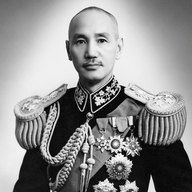
- Chiang Kai-shek (155 groups) and Ma Fuxiang, Chairman of the Mongolian and Tibetan Affairs Commission (75 groups), from the Nanking telegraph office to "Dalai Buddha, Lhasa", September 1930.
- Where
- National Archives of India, External Affairs Department, Sikkim (Political), 1930, File No. 5-P, pp. 14–15 (Abhilekh Patal NAIDLF03824535). Not on DECODE.
- The code
- The Chinese standard telegraph code, four digits for each character, with no encipherment. The last group of each telegram is a day code.
- How it was decoded
- The public code table was applied to the groups in typing order. 221 of 230 codes give the character as written; six fit only after a change of one digit and three give no sense.
- What it says
- Chiang thanks the Dalai Lama for his letter brought by Kun Kanpu and writes 從此中藏一家,完成統一, "from now on China and Tibet are one family and unification is completed".
- Credit
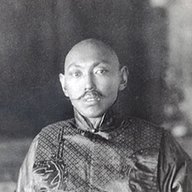
- Read by Brice Dudout with an AI agent (pull request #434). The Government of India had an English abstract of the two messages in 1930; the file holds no Chinese text. Lead found in Daniel Bourdeau's Abhilekh Patal sweep.
- Still open
- The Chinese reading was made by the contributor’s agent and re-read at integration; no sinologist has re-read it. Three codes unresolved and six emended; Ma Fuxiang's telegram stays just under 95% (94.7%). The transcription comes from the viewer's text layer and has not been checked against the images by a second reader. The Dalai Lama's code-word telegrams in the same file are not read.
01 The file
The file is titled "Interception of cypher telegrams addressed to Dalai Buddha, Lhasa, from Nanking Hojep telegraph office" and has 49 pages. Brice Dudout read it after logging in to the archive's online reader and described these pages:
| Page | Content |
|---|---|
| 14 | Nankinghojep to Dalai Buddha, Lhasa: 155 four-digit groups, typed seven to a line (Chiang Kai-shek). |
| 15 | Nankinghoje to Dalai Buddha, Lhasa: 75 groups (Ma Fuxiang). |
| 9, 11, 12, 22–23 | Telegrams of the Dalai Lama in ten-letter code words (those dated are of 22 September and 13 October 1930): another system, not read (section 06). |
| 16 | Weir, Political Officer in Sikkim, Gyantse, 6 October 1930, sends "the cypher and marginally noted code messages" to Simla and asks for paraphrases. |
| 18 | Foreign and Political Department to Weir, 29 September 1930: an English abstract of the Nanking messages. |
No image is shown on this page. The pages are on Abhilekh Patal behind a registered login, the site shows a human check to scripts, and the contributor sent transcriptions only, since no reuse licence is shown for the images. The project has not seen the images. What is said here about the file rests on the contributor's description of it.
The groups were taken from the reader's OCR text layer and checked by the contributor's agent against his screen captures. Two groups, 6615 on p. 14 and 7308 on p. 15, were half hidden by the cursor on the captures and are confirmed by the sense only.
The same public code table reads two other entries. The 20 plain-code telegrams of Sun Yat-sen's circle copied in Japan in 1913–16 are in the repository folder ctcplain1913, listed on the intercepts page. A Peking telegram of October 1912 on the Dalai Lama's title, from another file of the same archive and sent in five-digit groups, has its own page.
02 Chiang Kai-shek's telegram
棍堪布來,面遞惠書及答覆八事,{均}悉。並荷賜寄玉照、珍物,傳述嘉言,欣感無似。中藏關係本極密切,前因主國者不以真誠相見,致失國師及藏衞民衆心理,隔閡未去,{音}問遂疏。今幸國師慧[?]明心,洞達時局,以真誠擁護我中央政府。據棍堪布面陳各節,益見愛國之誠溢於言表。從此中藏一家,完成統一,至堪欽慰。除{切}囑蒙藏委員會馬委員長福祥慎重辦理外,先此覆謝,並祝健康。[?]蔣中正。元。
"Kun Kanpu has come and handed me in person your letter and your replies on the eight points; all noted. I am also obliged for the photograph and the precious gifts you sent, and for the kind words he conveyed; my joy and gratitude are beyond words. China and Tibet have always been very closely bound. Formerly, because those who ruled the country did not deal with you in sincerity, the hearts of the State Preceptor and of the people of Ü-Tsang were lost; estrangement remained and correspondence became rare. Now, happily, the State Preceptor, wise [?] and clear-minded, understands the times and sincerely supports our central government. All that Kun Kanpu has reported to me in person shows still more the patriotic sincerity that overflows your words. From now on China and Tibet are one family and unification is completed, to my great satisfaction. Besides earnestly instructing Ma Fuxiang, Chairman of the Mongolian and Tibetan Affairs Commission, to handle the matter with care, I first reply with my thanks and wish you good health. [?] Chiang Chung-cheng. [13th.]"
Braces mark a code emended by one digit, [?] an unresolved code; the punctuation is added. 國師, "State Preceptor", is the Dalai Lama. 蔣中正 (Chiang Chung-cheng) is Chiang Kai-shek. 155 groups: 150 give the character as written, 3 are emended, 2 are unresolved.
03 Ma Fuxiang's telegram
暌違廿餘載,馳念良殷。頃晤棍堪布,詢悉道躬佳勝,至深欣慰。國師竭誠擁護中央,極荷{蔣}主席嘉{許},詳情已由主席電覆。所有尊事,福祥{竭}誠辦理,以期公私兩[?]。祈釋慧念。敬祝嘉福。馬福祥。庚。
"We have been apart for over twenty years and I have often thought of you. I have just met Kun Kanpu and learned that Your Holiness is in good health, to my deep satisfaction. The State Preceptor's devoted support of the central government has earned Chairman Chiang's high praise; the details have been answered by the Chairman by telegram. All your affairs I, Fuxiang, will handle with full devotion, so that public and private interests are both [served]. Please set your mind at rest. With respectful good wishes. Ma Fuxiang. [8th.]"
75 groups: 71 give the character as written, 3 are emended, 1 is unresolved.
04 The nine odd codes
A code counts as read here only when it gives the character as written and the character makes sense. A code emended by one digit is a supplied value and is not counted.
| Telegram | Codes | As written | Emended | Unresolved | Read share |
|---|---|---|---|---|---|
| p. 14, Chiang | 155 | 150 | 3 | 2 | 96.8% |
| p. 15, Ma | 75 | 71 | 3 | 1 | 94.7% |
| Both | 230 | 221 | 6 | 3 | 96.1% |
Ma Fuxiang's telegram falls under the bar of 95%, so the extent of the entry is partial. The contributor counted the six emended codes as read, which gives 227 of 230, 98.7%.
| Code as transcribed | The table gives | Read | Phrase |
|---|---|---|---|
| 9971 (p. 14) | no character | 0971 均 | 均悉, "all noted" |
| 7399 (p. 14) | 餅 | 7299 音 | 音問遂疏, "correspondence became rare" |
| 0634 (p. 14) | 胴 | 0434 切 | 除切囑…外, "besides earnestly instructing" |
| 5582 (p. 15) | 蔂 | 5592 蔣 | 蔣主席, "Chairman Chiang" |
| 6069 (p. 15) | 訌 | 6079 許 | 嘉許, "praise" |
| 4500 (p. 15) | 空 | 4550 竭 | 竭誠, "with full devotion"; 4550 竭 stands as written earlier in the same telegram |
| 4156 (p. 14) | 盬 | unresolved | 慧?明心. Candidate: 4158 目, one digit away (慧目明心); 6 for 8 is a common misreading |
| 5492 (p. 14) | 萌 | unresolved | before the signature 蔣中正; probably a false start for 5592 蔣 |
| 5129 (p. 15) | 呤 | unresolved | 公私兩?. No code one digit away fits; the set phrase 公私兩便 needs 0189, two digits away |
Each of the nine may be a slip of the telegraph, a typing slip in the Indian copy, or an error of the OCR text layer the transcription came from. Only the images can tell, and they have not been checked by a second reader.
05 The code and the checks
The telegrams are in the Chinese standard telegraph code, a public code book that gives one four-digit number to each character; nothing is enciphered. The table used is the one in the Unicode Unihan database, the Taiwan field first and the Mainland field where the first is empty.
The contributor wrote a protocol before the attack and recorded its SHA-256 hash (frozen/PREREG.md). The order of events rests on the contributor's record: the pull request is a single commit. The protocol fixed a list of expected Chinese words taken from the British abstract, and controls: 1,000 random orders of the groups and 1,000 random four-digit additives.
The control script in the pull request does not use the protocol's list. The crib was changed after decoding: the script has 棍堪布, a spelling of Kun Kanpu's name that could only be known once the telegrams were decoded, and 誠, and it drops five entries of the protocol (貢覺仲尼, 貢覺, 堪布, 誠意, 函). Both sets of figures, for crib words of two or more characters:
| Crib | p. 14 | p. 15 | Best of 1,000 random orders |
|---|---|---|---|
| The list fixed in the protocol (rerun at verification, 12 November 2026) | 12 | 9 | 4 and 3 |
| The list changed after decoding (the contributor's script) | 14 | 10 | 4 and 3 |
With the protocol's own list the reading still stands well clear of the controls. The contributor's run of 1,000 random additives (with the changed crib) scored at most 2; with the protocol's crib, the best of all 9,999 additives scores 5 and 3 against 14 and 11 for the plain reading.
The pull request was verified independently for the project on 12 November 2026. A separate decoder, with a code table built from the Unihan file, gives the claimed character for all 221 codes read as written; the nine exceptions are the nine codes in the table above. Each of the six emendations is exactly one digit.
The English abstract of 29 September 1930 on p. 18 agrees with the Chinese on each of its points, as the contributor summarises it: the letter brought by Kun Kanpu, the Dalai Lama's support of the central government (擁護中央), China "not honest or considerate" (不以真誠相見), "complete unity" (完成統一), greetings from Ma Fuxiang. The abstract is a summary and not a translation. Who decoded the telegrams in 1930 is not stated in the pages described.
The last group of each telegram is a rhyme-code day: 元 is the 13th and 庚 is the 8th. The month comes only from the file.
06 Still open
- The image check. Nothing here has been compared with the images by anyone but the contributor. The archive shows a human check to scripts, and no way round it was tried. The nine odd codes, and the groups 6615 and 7308, should be read again on pp. 14–15 by someone logged in. If the image shows the emended digits, those codes count as read.
- Three unresolved codes: 4156, 5492 and 5129. A difference between the 1930 code book and the Unihan table is not excluded.
- The order of the two telegrams. Ma Fuxiang's, dated the 8th, says 詳情已由主席電覆, "the details have been answered by the Chairman by telegram", but Chiang's is dated the 13th.
- Prior art in Chinese. Web searches on distinctive phrases found no printed text. The Chinese printed document collections on Tibet and the central government were not searched, and a telegram of Chiang Kai-shek to the Dalai Lama may well be printed there.
- The Dalai Lama's code-word telegrams (pp. 9, 11, 12, 22–23) are a different system and are not part of this reading. Each ten-letter word is two five-letter code words, in the patterns consonant-vowel-consonant-vowel-consonant and vowel-consonant-vowel-consonant-vowel in turn. The telegrams of pp. 11 and 12 share their opening and closing words. No code book was found and there is no crib, since the British abstract covers the Nanking telegrams only. Two tries failed: a table of syllables standing for digit pairs was inconsistent, and the alphabetical rank of the words gives nothing. The contributor's transcriptions of those pages are in the notes and were not tested at verification. The contributor's transcriptions of pp. 9, 11 and 12 are in the notes; pp. 22–23 are not transcribed.
Full texts
The transcription and the decryption of every document on this page, so that the reading can be used and checked. Short files are shown here; all are in the repository.
p. 14: Chiang Kai-shek to the Dalai Lama, September 1930 (the 13th)
Chiang Kai-shek thanks the Dalai Lama for the letter, replies on eight points, photograph and gifts brought by Kun Kanpu; admits that past rulers did not treat Tibet with sincerity; welcomes his support of the central government; China and Tibet one family, unification completed; Ma Fuxiang instructed to handle the matter.
Transcription
# nanking1930: transcription of the two Nanking telegrams (four-digit groups)
# Source: National Archives of India, External Affairs Department, Sikkim (Political), 1930, File No. 5-P, pp. 14-15 (Abhilekh Patal NAIDLF03824535).
# Typed copies, seven groups per line. From the reader's OCR text layer, checked against screen captures of the reader (images not reproduced). 6615 (p. 14) and 7308 (p. 15) half hidden by the cursor on the captures; confirmed by the sense.

## p. 14 | Nankinghojep -> Dalai Buddha, Lhasa | 155 groups
2760 1030 1580 0171 7240 6677 1920
2579 0644 4594 6010 0360 0057 9971
1885 0017 5440 6337 1376 3768 3564
3791 3670 0278 6615 0857 6056 2946
1949 3541 0138 0022 5661 7070 0190
2609 2817 1378 0434 0467 0936 0031
0948 5074 0008 0110 4176 6134 4161
6015 5268 1136 0948 1597 0644 5661
5898 3046 5883 1800 3810 7133 7039
2607 0637 7399 0795 6659 3990 0093
1630 0948 1597 1979 4156 2494 1800
3159 6671 2514 1444 0110 4176 6134
2340 6233 2053 0022 1135 2398 1650
2354 2760 1030 1580 7240 7115 0677
4634 4135 6015 1947 0948 0037 6134
3300 2456 6056 5903 1783 2974 0022
5661 0001 1367 1346 2052 4827 0001
5267 1030 2953 1983 7110 0634 0928
5536 5661 1201 0765 2585 7456 1201
0765 7022 4395 4382 1957 6850 6586
3810 1120 0341 2974 6010 6200 0017
4376 0256 1660 5492 5592 0022 2973
0337

## p. 15 | XJS. Nankinghoje -> Dalai Buddha, Lhasa | 75 groups
8522 6672 1700 7411 6528 7459 1819
5328 3009 7308 2524 2760 1030 1580
6104 1885 6670 6501 0163 0524 5267
3234 2946 1983 0948 1597 4550 6134
2340 6233 0022 1135 2817 5440 5582
0031 1598 0857 6069 6116 1906 1571
3945 0031 1598 7193 6010 2076 2589
1415 0057 4395 4382 4500 6134 6586
3810 0110 2601 0361 4424 0357 5129
4362 6847 1979 1819 2417 4376 0857
4395 7456 4395 4382 1649
Decryption
# nanking1930: decryption, code by code (plain Chinese standard telegraph code; table Unicode Unihan kTaiwanTelegraph, else kMainlandTelegraph)
# n  code  character  status

## p. 14 | Nankinghojep -> Dalai Buddha, Lhasa | 155 groups
   1  2760  棍  ok
   2  1030  堪  ok
   3  1580  布  ok
   4  0171  來  ok
   5  7240  面  ok
   6  6677  遞  ok
   7  1920  惠  ok
   8  2579  書  ok
   9  0644  及  ok
  10  4594  答  ok
  11  6010  覆  ok
  12  0360  八  ok
  13  0057  事  ok
  14  9971  均  probable: 9971 has no character; read 0971 均 (均悉 "all noted")
  15  1885  悉  ok
  16  0017  並  ok
  17  5440  荷  ok
  18  6337  賜  ok
  19  1376  寄  ok
  20  3768  玉  ok
  21  3564  照  ok
  22  3791  珍  ok
  23  3670  物  ok
  24  0278  傳  ok
  25  6615  述  ok
  26  0857  嘉  ok
  27  6056  言  ok
  28  2946  欣  ok
  29  1949  感  ok
  30  3541  無  ok
  31  0138  似  ok
  32  0022  中  ok
  33  5661  藏  ok
  34  7070  關  ok
  35  0190  係  ok
  36  2609  本  ok
  37  2817  極  ok
  38  1378  密  ok
  39  0434  切  ok
  40  0467  前  ok
  41  0936  因  ok
  42  0031  主  ok
  43  0948  國  ok
  44  5074  者  ok
  45  0008  不  ok
  46  0110  以  ok
  47  4176  真  ok
  48  6134  誠  ok
  49  4161  相  ok
  50  6015  見  ok
  51  5268  致  ok
  52  1136  失  ok
  53  0948  國  ok
  54  1597  師  ok
  55  0644  及  ok
  56  5661  藏  ok
  57  5898  衞  ok
  58  3046  民  ok
  59  5883  衆  ok
  60  1800  心  ok
  61  3810  理  ok
  62  7133  隔  ok
  63  7039  閡  ok
  64  2607  未  ok
  65  0637  去  ok
  66  7399  音  probable: 7399 = 餅; read 7299 音 (音問 "correspondence")
  67  0795  問  ok
  68  6659  遂  ok
  69  3990  疏  ok
  70  0093  今  ok
  71  1630  幸  ok
  72  0948  國  ok
  73  1597  師  ok
  74  1979  慧  ok
  75  4156  [?]  unresolved: 4156 = 盬 makes no sense in 慧?明心 ("wise and clear-minded"); candidate 4158 目 (慧目明心), one digit away, 6 for 8 (added at verification, 12 Nov 2026); not counted as read
  76  2494  明  ok
  77  1800  心  ok
  78  3159  洞  ok
  79  6671  達  ok
  80  2514  時  ok
  81  1444  局  ok
  82  0110  以  ok
  83  4176  真  ok
  84  6134  誠  ok
  85  2340  擁  ok
  86  6233  護  ok
  87  2053  我  ok
  88  0022  中  ok
  89  1135  央  ok
  90  2398  政  ok
  91  1650  府  ok
  92  2354  據  ok
  93  2760  棍  ok
  94  1030  堪  ok
  95  1580  布  ok
  96  7240  面  ok
  97  7115  陳  ok
  98  0677  各  ok
  99  4634  節  ok
 100  4135  益  ok
 101  6015  見  ok
 102  1947  愛  ok
 103  0948  國  ok
 104  0037  之  ok
 105  6134  誠  ok
 106  3300  溢  ok
 107  2456  於  ok
 108  6056  言  ok
 109  5903  表  ok
 110  1783  從  ok
 111  2974  此  ok
 112  0022  中  ok
 113  5661  藏  ok
 114  0001  一  ok
 115  1367  家  ok
 116  1346  完  ok
 117  2052  成  ok
 118  4827  統  ok
 119  0001  一  ok
 120  5267  至  ok
 121  1030  堪  ok
 122  2953  欽  ok
 123  1983  慰  ok
 124  7110  除  ok
 125  0634  切  probable: 0634 = 胴; read 0434 切 (切囑 "earnestly instruct")
 126  0928  囑  ok
 127  5536  蒙  ok
 128  5661  藏  ok
 129  1201  委  ok
 130  0765  員  ok
 131  2585  會  ok
 132  7456  馬  ok
 133  1201  委  ok
 134  0765  員  ok
 135  7022  長  ok
 136  4395  福  ok
 137  4382  祥  ok
 138  1957  慎  ok
 139  6850  重  ok
 140  6586  辦  ok
 141  3810  理  ok
 142  1120  外  ok
 143  0341  先  ok
 144  2974  此  ok
 145  6010  覆  ok
 146  6200  謝  ok
 147  0017  並  ok
 148  4376  祝  ok
 149  0256  健  ok
 150  1660  康  ok
 151  5492  [?]  unresolved: 5492 = 萌 before the signature 蔣中正; perhaps a garble of 5592 蔣
 152  5592  蔣  ok
 153  0022  中  ok
 154  2973  正  ok
 155  0337  元  ok; date code 元 = 13th day

## p. 15 | XJS. Nankinghoje -> Dalai Buddha, Lhasa | 75 groups
   1  8522  暌  ok
   2  6672  違  ok
   3  1700  廿  ok
   4  7411  餘  ok
   5  6528  載  ok
   6  7459  馳  ok
   7  1819  念  ok
   8  5328  良  ok
   9  3009  殷  ok
  10  7308  頃  ok
  11  2524  晤  ok
  12  2760  棍  ok
  13  1030  堪  ok
  14  1580  布  ok
  15  6104  詢  ok
  16  1885  悉  ok
  17  6670  道  ok
  18  6501  躬  ok
  19  0163  佳  ok
  20  0524  勝  ok
  21  5267  至  ok
  22  3234  深  ok
  23  2946  欣  ok
  24  1983  慰  ok
  25  0948  國  ok
  26  1597  師  ok
  27  4550  竭  ok
  28  6134  誠  ok
  29  2340  擁  ok
  30  6233  護  ok
  31  0022  中  ok
  32  1135  央  ok
  33  2817  極  ok
  34  5440  荷  ok
  35  5582  蔣  probable: 5582 = 蔂; read 5592 蔣 (蔣主席)
  36  0031  主  ok
  37  1598  席  ok
  38  0857  嘉  ok
  39  6069  許  probable: 6069 = 訌; read 6079 許 (嘉許 "praise")
  40  6116  詳  ok
  41  1906  情  ok
  42  1571  已  ok
  43  3945  由  ok
  44  0031  主  ok
  45  1598  席  ok
  46  7193  電  ok
  47  6010  覆  ok
  48  2076  所  ok
  49  2589  有  ok
  50  1415  尊  ok
  51  0057  事  ok
  52  4395  福  ok
  53  4382  祥  ok
  54  4500  竭  probable: 4500 = 空; read 4550 竭 (竭誠 "with full devotion", as earlier in the same telegram)
  55  6134  誠  ok
  56  6586  辦  ok
  57  3810  理  ok
  58  0110  以  ok
  59  2601  期  ok
  60  0361  公  ok
  61  4424  私  ok
  62  0357  兩  ok
  63  5129  [?]  unresolved: 5129 = 呤 in 公私兩? ("both public and private [served]"); no one-digit neighbour fits; the set phrase 公私兩便 (便 = 0189) is two digits away
  64  4362  祈  ok
  65  6847  釋  ok
  66  1979  慧  ok
  67  1819  念  ok
  68  2417  敬  ok
  69  4376  祝  ok
  70  0857  嘉  ok
  71  4395  福  ok
  72  7456  馬  ok
  73  4395  福  ok
  74  4382  祥  ok
  75  1649  庚  ok; date code 庚 = 8th day
Reading
# nanking1930: reading

Chinese text with our punctuation. {x} = emended code (one-digit slip, see decryption.txt); [?] = unresolved code.

## p. 14: Chiang Kai-shek to the Dalai Lama (date code 元, the 13th; September 1930)

棍堪布來,面遞惠書及答覆八事,{均}悉。並荷賜寄玉照、珍物,傳述嘉言,欣感無似。中藏關係本極密切,前因主國者不以真誠相見,致失國師及藏衞民衆心理,隔閡未去,{音}問遂疏。今幸國師慧[?]明心,洞達時局,以真誠擁護我中央政府。據棍堪布面陳各節,益見愛國之誠溢於言表。從此中藏一家,完成統一,至堪欽慰。除{切}囑蒙藏委員會馬委員長福祥慎重辦理外,先此覆謝,並祝健康。[?]蔣中正。元。

## p. 15: Ma Fuxiang to the Dalai Lama (date code 庚, the 8th)

暌違廿餘載,馳念良殷。頃晤棍堪布,詢悉道躬佳勝,至深欣慰。國師竭誠擁護中央,極荷{蔣}主席嘉{許},詳情已由主席電覆。所有尊事,福祥{竭}誠辦理,以期公私兩[?]。祈釋慧念。敬祝嘉福。馬福祥。庚。
Translation
# nanking1930: English translation

## p. 14: Chiang Kai-shek to the Dalai Lama

Kun Kanpu has come and handed me in person your letter and your replies on the eight points; all noted. I am also obliged for
the photograph and the precious gifts you sent, and for the kind words he conveyed; my joy and gratitude are beyond words.
China and Tibet have always been very closely bound. Formerly, because those who ruled the country did not deal with you in
sincerity, the hearts of the State Preceptor (國師, the Dalai Lama) and of the people of Ü-Tsang were lost; estrangement
remained and correspondence became rare. Now, happily, the State Preceptor, wise [?] and clear-minded, understands the times and
sincerely supports our central government. All that Kun Kanpu has reported to me in person shows still more the patriotic
sincerity that overflows your words. From now on China and Tibet are one family and unification is completed, to my great
satisfaction. Besides earnestly instructing Ma Fuxiang, Chairman of the Mongolian and Tibetan Affairs Commission, to handle the
matter with care, I first reply with my thanks and wish you good health. [?] Chiang Chung-cheng (Chiang Kai-shek). [13th.]

## p. 15: Ma Fuxiang to the Dalai Lama

We have been apart for over twenty years and I have often thought of you. I have just met Kun Kanpu and learned that Your
Holiness is in good health, to my deep satisfaction. The State Preceptor's devoted support of the central government has
earned Chairman Chiang's high praise; the details have been answered by the Chairman by telegram. All your affairs I, Fuxiang,
will handle with full devotion, so that public and private interests are both [served]. Please set your mind at rest. With
respectful good wishes. Ma Fuxiang. [8th.]

Note: 棍堪布 is Kun Kanpu (Könchok Jungné, the Dalai Lama's representative, also written 貢覺仲尼); 國師 "State Preceptor" is
the Dalai Lama.

Notes added at integration (12 Nov 2026)
- "wise [?]": the code as transcribed (4156) gives no sense; 4158 目 "eye", one digit away, is a candidate (慧目明心).
- "both [served]": the code as transcribed (5129) gives no sense; the set phrase 公私兩便 would need 0189, two digits away.
- Six words rest on codes emended by one digit: "all noted" (均), "correspondence" (音), "earnestly" (切), "Chiang" in "Chairman
  Chiang" (蔣), "praise" (許) and the second "devotion" (竭). See decryption.txt.
- Order of the two telegrams: Ma Fuxiang's, dated the 8th, says the Chairman has already answered by telegram; Chiang's is
  dated the 13th. Open.
- The identification of 棍堪布 (Kun Kanpu) with Könchok Jungné (貢覺仲尼) is the contributor's and was not checked here.
p. 15: Ma Fuxiang to the Dalai Lama, September 1930 (the 8th) read in part
Ma Fuxiang, after more than twenty years apart, has met Kun Kanpu; Chairman Chiang praises the Dalai Lama's support of the central government and has answered by telegram; Ma will handle his affairs with devotion. Three words rest on one-digit emendations and one code is unresolved.
Builds coherent sentences, but under the read bar of 95% of words read as sense (94.7% here); the holes are marked in the reading.
Transcription
# nanking1930: transcription of the two Nanking telegrams (four-digit groups)
# Source: National Archives of India, External Affairs Department, Sikkim (Political), 1930, File No. 5-P, pp. 14-15 (Abhilekh Patal NAIDLF03824535).
# Typed copies, seven groups per line. From the reader's OCR text layer, checked against screen captures of the reader (images not reproduced). 6615 (p. 14) and 7308 (p. 15) half hidden by the cursor on the captures; confirmed by the sense.

## p. 14 | Nankinghojep -> Dalai Buddha, Lhasa | 155 groups
2760 1030 1580 0171 7240 6677 1920
2579 0644 4594 6010 0360 0057 9971
1885 0017 5440 6337 1376 3768 3564
3791 3670 0278 6615 0857 6056 2946
1949 3541 0138 0022 5661 7070 0190
2609 2817 1378 0434 0467 0936 0031
0948 5074 0008 0110 4176 6134 4161
6015 5268 1136 0948 1597 0644 5661
5898 3046 5883 1800 3810 7133 7039
2607 0637 7399 0795 6659 3990 0093
1630 0948 1597 1979 4156 2494 1800
3159 6671 2514 1444 0110 4176 6134
2340 6233 2053 0022 1135 2398 1650
2354 2760 1030 1580 7240 7115 0677
4634 4135 6015 1947 0948 0037 6134
3300 2456 6056 5903 1783 2974 0022
5661 0001 1367 1346 2052 4827 0001
5267 1030 2953 1983 7110 0634 0928
5536 5661 1201 0765 2585 7456 1201
0765 7022 4395 4382 1957 6850 6586
3810 1120 0341 2974 6010 6200 0017
4376 0256 1660 5492 5592 0022 2973
0337

## p. 15 | XJS. Nankinghoje -> Dalai Buddha, Lhasa | 75 groups
8522 6672 1700 7411 6528 7459 1819
5328 3009 7308 2524 2760 1030 1580
6104 1885 6670 6501 0163 0524 5267
3234 2946 1983 0948 1597 4550 6134
2340 6233 0022 1135 2817 5440 5582
0031 1598 0857 6069 6116 1906 1571
3945 0031 1598 7193 6010 2076 2589
1415 0057 4395 4382 4500 6134 6586
3810 0110 2601 0361 4424 0357 5129
4362 6847 1979 1819 2417 4376 0857
4395 7456 4395 4382 1649
Decryption
# nanking1930: decryption, code by code (plain Chinese standard telegraph code; table Unicode Unihan kTaiwanTelegraph, else kMainlandTelegraph)
# n  code  character  status

## p. 14 | Nankinghojep -> Dalai Buddha, Lhasa | 155 groups
   1  2760  棍  ok
   2  1030  堪  ok
   3  1580  布  ok
   4  0171  來  ok
   5  7240  面  ok
   6  6677  遞  ok
   7  1920  惠  ok
   8  2579  書  ok
   9  0644  及  ok
  10  4594  答  ok
  11  6010  覆  ok
  12  0360  八  ok
  13  0057  事  ok
  14  9971  均  probable: 9971 has no character; read 0971 均 (均悉 "all noted")
  15  1885  悉  ok
  16  0017  並  ok
  17  5440  荷  ok
  18  6337  賜  ok
  19  1376  寄  ok
  20  3768  玉  ok
  21  3564  照  ok
  22  3791  珍  ok
  23  3670  物  ok
  24  0278  傳  ok
  25  6615  述  ok
  26  0857  嘉  ok
  27  6056  言  ok
  28  2946  欣  ok
  29  1949  感  ok
  30  3541  無  ok
  31  0138  似  ok
  32  0022  中  ok
  33  5661  藏  ok
  34  7070  關  ok
  35  0190  係  ok
  36  2609  本  ok
  37  2817  極  ok
  38  1378  密  ok
  39  0434  切  ok
  40  0467  前  ok
  41  0936  因  ok
  42  0031  主  ok
  43  0948  國  ok
  44  5074  者  ok
  45  0008  不  ok
  46  0110  以  ok
  47  4176  真  ok
  48  6134  誠  ok
  49  4161  相  ok
  50  6015  見  ok
  51  5268  致  ok
  52  1136  失  ok
  53  0948  國  ok
  54  1597  師  ok
  55  0644  及  ok
  56  5661  藏  ok
  57  5898  衞  ok
  58  3046  民  ok
  59  5883  衆  ok
  60  1800  心  ok
  61  3810  理  ok
  62  7133  隔  ok
  63  7039  閡  ok
  64  2607  未  ok
  65  0637  去  ok
  66  7399  音  probable: 7399 = 餅; read 7299 音 (音問 "correspondence")
  67  0795  問  ok
  68  6659  遂  ok
  69  3990  疏  ok
  70  0093  今  ok
  71  1630  幸  ok
  72  0948  國  ok
  73  1597  師  ok
  74  1979  慧  ok
  75  4156  [?]  unresolved: 4156 = 盬 makes no sense in 慧?明心 ("wise and clear-minded"); candidate 4158 目 (慧目明心), one digit away, 6 for 8 (added at verification, 12 Nov 2026); not counted as read
  76  2494  明  ok
  77  1800  心  ok
  78  3159  洞  ok
  79  6671  達  ok
  80  2514  時  ok
  81  1444  局  ok
  82  0110  以  ok
  83  4176  真  ok
  84  6134  誠  ok
  85  2340  擁  ok
  86  6233  護  ok
  87  2053  我  ok
  88  0022  中  ok
  89  1135  央  ok
  90  2398  政  ok
  91  1650  府  ok
  92  2354  據  ok
  93  2760  棍  ok
  94  1030  堪  ok
  95  1580  布  ok
  96  7240  面  ok
  97  7115  陳  ok
  98  0677  各  ok
  99  4634  節  ok
 100  4135  益  ok
 101  6015  見  ok
 102  1947  愛  ok
 103  0948  國  ok
 104  0037  之  ok
 105  6134  誠  ok
 106  3300  溢  ok
 107  2456  於  ok
 108  6056  言  ok
 109  5903  表  ok
 110  1783  從  ok
 111  2974  此  ok
 112  0022  中  ok
 113  5661  藏  ok
 114  0001  一  ok
 115  1367  家  ok
 116  1346  完  ok
 117  2052  成  ok
 118  4827  統  ok
 119  0001  一  ok
 120  5267  至  ok
 121  1030  堪  ok
 122  2953  欽  ok
 123  1983  慰  ok
 124  7110  除  ok
 125  0634  切  probable: 0634 = 胴; read 0434 切 (切囑 "earnestly instruct")
 126  0928  囑  ok
 127  5536  蒙  ok
 128  5661  藏  ok
 129  1201  委  ok
 130  0765  員  ok
 131  2585  會  ok
 132  7456  馬  ok
 133  1201  委  ok
 134  0765  員  ok
 135  7022  長  ok
 136  4395  福  ok
 137  4382  祥  ok
 138  1957  慎  ok
 139  6850  重  ok
 140  6586  辦  ok
 141  3810  理  ok
 142  1120  外  ok
 143  0341  先  ok
 144  2974  此  ok
 145  6010  覆  ok
 146  6200  謝  ok
 147  0017  並  ok
 148  4376  祝  ok
 149  0256  健  ok
 150  1660  康  ok
 151  5492  [?]  unresolved: 5492 = 萌 before the signature 蔣中正; perhaps a garble of 5592 蔣
 152  5592  蔣  ok
 153  0022  中  ok
 154  2973  正  ok
 155  0337  元  ok; date code 元 = 13th day

## p. 15 | XJS. Nankinghoje -> Dalai Buddha, Lhasa | 75 groups
   1  8522  暌  ok
   2  6672  違  ok
   3  1700  廿  ok
   4  7411  餘  ok
   5  6528  載  ok
   6  7459  馳  ok
   7  1819  念  ok
   8  5328  良  ok
   9  3009  殷  ok
  10  7308  頃  ok
  11  2524  晤  ok
  12  2760  棍  ok
  13  1030  堪  ok
  14  1580  布  ok
  15  6104  詢  ok
  16  1885  悉  ok
  17  6670  道  ok
  18  6501  躬  ok
  19  0163  佳  ok
  20  0524  勝  ok
  21  5267  至  ok
  22  3234  深  ok
  23  2946  欣  ok
  24  1983  慰  ok
  25  0948  國  ok
  26  1597  師  ok
  27  4550  竭  ok
  28  6134  誠  ok
  29  2340  擁  ok
  30  6233  護  ok
  31  0022  中  ok
  32  1135  央  ok
  33  2817  極  ok
  34  5440  荷  ok
  35  5582  蔣  probable: 5582 = 蔂; read 5592 蔣 (蔣主席)
  36  0031  主  ok
  37  1598  席  ok
  38  0857  嘉  ok
  39  6069  許  probable: 6069 = 訌; read 6079 許 (嘉許 "praise")
  40  6116  詳  ok
  41  1906  情  ok
  42  1571  已  ok
  43  3945  由  ok
  44  0031  主  ok
  45  1598  席  ok
  46  7193  電  ok
  47  6010  覆  ok
  48  2076  所  ok
  49  2589  有  ok
  50  1415  尊  ok
  51  0057  事  ok
  52  4395  福  ok
  53  4382  祥  ok
  54  4500  竭  probable: 4500 = 空; read 4550 竭 (竭誠 "with full devotion", as earlier in the same telegram)
  55  6134  誠  ok
  56  6586  辦  ok
  57  3810  理  ok
  58  0110  以  ok
  59  2601  期  ok
  60  0361  公  ok
  61  4424  私  ok
  62  0357  兩  ok
  63  5129  [?]  unresolved: 5129 = 呤 in 公私兩? ("both public and private [served]"); no one-digit neighbour fits; the set phrase 公私兩便 (便 = 0189) is two digits away
  64  4362  祈  ok
  65  6847  釋  ok
  66  1979  慧  ok
  67  1819  念  ok
  68  2417  敬  ok
  69  4376  祝  ok
  70  0857  嘉  ok
  71  4395  福  ok
  72  7456  馬  ok
  73  4395  福  ok
  74  4382  祥  ok
  75  1649  庚  ok; date code 庚 = 8th day
Reading
# nanking1930: reading

Chinese text with our punctuation. {x} = emended code (one-digit slip, see decryption.txt); [?] = unresolved code.

## p. 14: Chiang Kai-shek to the Dalai Lama (date code 元, the 13th; September 1930)

棍堪布來,面遞惠書及答覆八事,{均}悉。並荷賜寄玉照、珍物,傳述嘉言,欣感無似。中藏關係本極密切,前因主國者不以真誠相見,致失國師及藏衞民衆心理,隔閡未去,{音}問遂疏。今幸國師慧[?]明心,洞達時局,以真誠擁護我中央政府。據棍堪布面陳各節,益見愛國之誠溢於言表。從此中藏一家,完成統一,至堪欽慰。除{切}囑蒙藏委員會馬委員長福祥慎重辦理外,先此覆謝,並祝健康。[?]蔣中正。元。

## p. 15: Ma Fuxiang to the Dalai Lama (date code 庚, the 8th)

暌違廿餘載,馳念良殷。頃晤棍堪布,詢悉道躬佳勝,至深欣慰。國師竭誠擁護中央,極荷{蔣}主席嘉{許},詳情已由主席電覆。所有尊事,福祥{竭}誠辦理,以期公私兩[?]。祈釋慧念。敬祝嘉福。馬福祥。庚。
Translation
# nanking1930: English translation

## p. 14: Chiang Kai-shek to the Dalai Lama

Kun Kanpu has come and handed me in person your letter and your replies on the eight points; all noted. I am also obliged for
the photograph and the precious gifts you sent, and for the kind words he conveyed; my joy and gratitude are beyond words.
China and Tibet have always been very closely bound. Formerly, because those who ruled the country did not deal with you in
sincerity, the hearts of the State Preceptor (國師, the Dalai Lama) and of the people of Ü-Tsang were lost; estrangement
remained and correspondence became rare. Now, happily, the State Preceptor, wise [?] and clear-minded, understands the times and
sincerely supports our central government. All that Kun Kanpu has reported to me in person shows still more the patriotic
sincerity that overflows your words. From now on China and Tibet are one family and unification is completed, to my great
satisfaction. Besides earnestly instructing Ma Fuxiang, Chairman of the Mongolian and Tibetan Affairs Commission, to handle the
matter with care, I first reply with my thanks and wish you good health. [?] Chiang Chung-cheng (Chiang Kai-shek). [13th.]

## p. 15: Ma Fuxiang to the Dalai Lama

We have been apart for over twenty years and I have often thought of you. I have just met Kun Kanpu and learned that Your
Holiness is in good health, to my deep satisfaction. The State Preceptor's devoted support of the central government has
earned Chairman Chiang's high praise; the details have been answered by the Chairman by telegram. All your affairs I, Fuxiang,
will handle with full devotion, so that public and private interests are both [served]. Please set your mind at rest. With
respectful good wishes. Ma Fuxiang. [8th.]

Note: 棍堪布 is Kun Kanpu (Könchok Jungné, the Dalai Lama's representative, also written 貢覺仲尼); 國師 "State Preceptor" is
the Dalai Lama.

Notes added at integration (12 Nov 2026)
- "wise [?]": the code as transcribed (4156) gives no sense; 4158 目 "eye", one digit away, is a candidate (慧目明心).
- "both [served]": the code as transcribed (5129) gives no sense; the set phrase 公私兩便 would need 0189, two digits away.
- Six words rest on codes emended by one digit: "all noted" (均), "correspondence" (音), "earnestly" (切), "Chiang" in "Chairman
  Chiang" (蔣), "praise" (許) and the second "devotion" (竭). See decryption.txt.
- Order of the two telegrams: Ma Fuxiang's, dated the 8th, says the Chairman has already answered by telegram; Chiang's is
  dated the 13th. Open.
- The identification of 棍堪布 (Kun Kanpu) with Könchok Jungné (貢覺仲尼) is the contributor's and was not checked here.
Key: key.tsv
07 Sources
- National Archives of India, External Affairs Department, Sikkim (Political), 1930, File No. 5-P, on Abhilekh Patal, NAIDLF03824535 (login needed to see the pages): the telegrams on pp. 14–15, the abstract on p. 18.
- Unicode Consortium, Unihan database,
Unihan_OtherMappings.txt, fields kTaiwanTelegraph and kMainlandTelegraph: the code table. - Brice Dudout, pull request #434: transcription, decryption, translation, protocol and controls.
Transcription, decryption, reading, translation, the codes used and the frozen protocol are in targets/nanking1930/.
Cite this page
Brice Dudout and Daniel Bourdeau, “Chiang Kai-shek and Ma Fuxiang to the 13th Dalai Lama, September 1930”, Cyphersolver, posted 12 November 2026, https://cyphersolver.com/nanking1930.html.