Results so far
Every entry by date, 1250–1991. Hover or tap a dot for the story; click a category under the bar to isolate it.
Entries by century, 1250–1991. Tap a century for its write-ups.
All 9 categories
breakdown
122 from the ciphertext alone, 138 from plaintext beside the ciphertext, 26 from plaintext found elsewhere. 178 of them with outside contributors. In 10 of them the key was recovered but the text does not yet read.breakdown
130 with a known key, 48 with a key matched here from another document, 108 from a complete existing decipherment. In 15 of them the key was applied but the text does not yet read.704 entries, one per row of the results tables, each classed by how its text was obtained. 22 turned out not to be ciphers or could not be reached and 11 are in progress, which leaves 671 attempted; every percentage here is of those 671.Percentages are of the 671 attempted.
Counted from the results tables in the repository README by _build_stats.py; regenerated 14 November 2026. Rows are documents, not correspondents.
Three ways to help
Or check one of 235 readings waiting for an independent check, or send a cipher that is not listed. Every contribution is credited. How to contribute →
Start with these
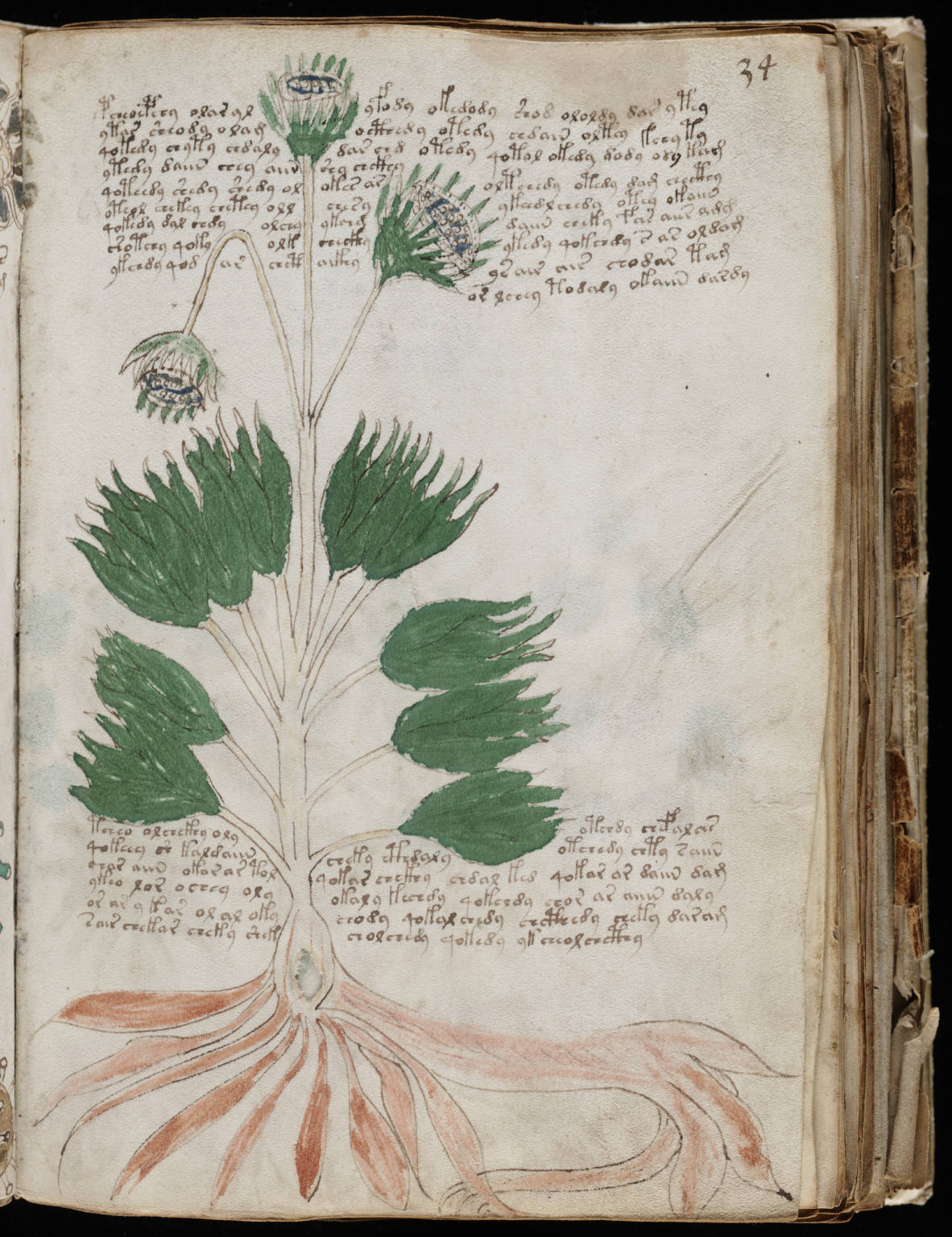
The Voynich manuscript
Statistical tests on the transliteration of Beinecke MS 408; no text was obtained. Plaintext and simple substitution, transposition or abjad renderings of eleven European languages are excluded. A verbose cipher of glyph groups and structured meaningless text remain, about even.
h2 2.2–2.9 bits against a 3.3 floor · slot grammar 1.7–2.3× more rigid than any language
read →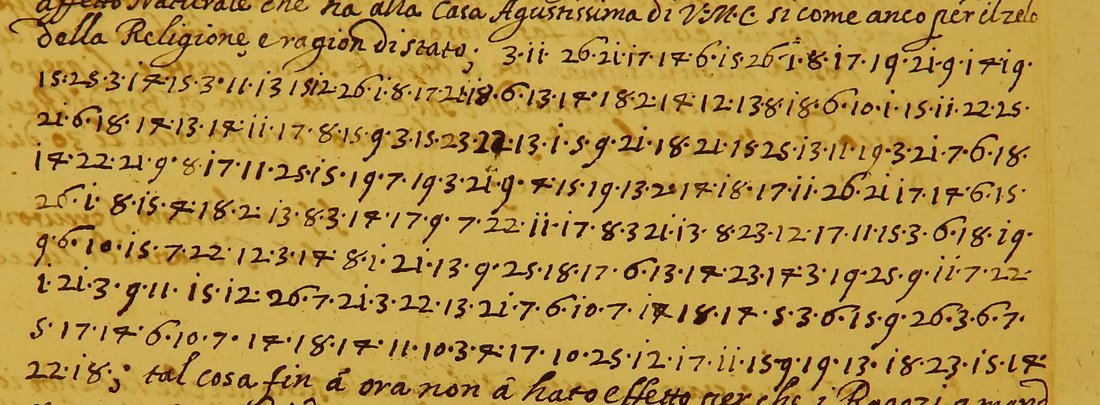
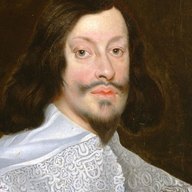
Fra Giovanni di Lucca to Ferdinand III, 1644
A 231-figure Italian cipher paragraph in a friar’s letter to the Emperor (DECODE R2159), a substitution with two figures for each vowel. The key was recovered using the opening words Tomokiyo had published as a crib, and every figure was decrypted; checked against the manuscript, the apparent polyphony turned out to be ten misread 4s and three encipherment slips. The Grand Hetman Koniecpolski offers to keep the Turk from Rákóczi, raise Moldavia against him and give two thousand Cossacks.
“il principe di Bogdania, et li darò dumilia Cosachi … che non faccia pace fin che non l’habbi humiliato o vinto”
 read →
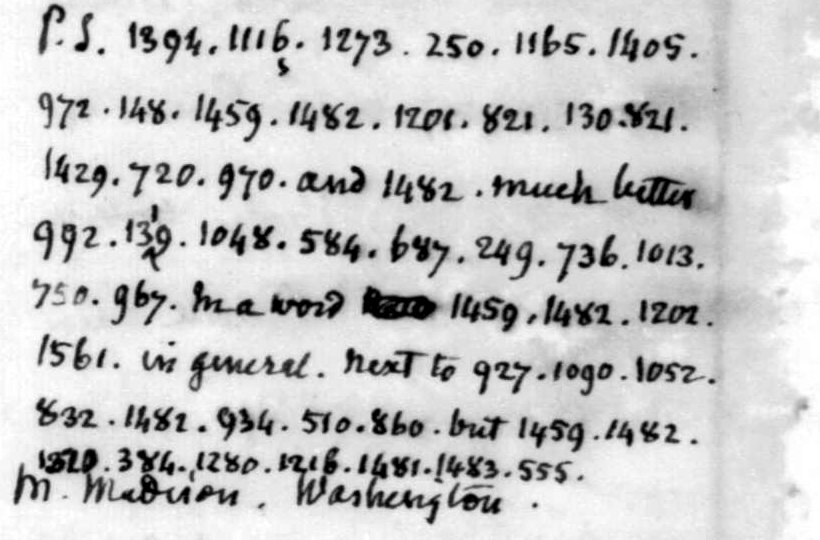
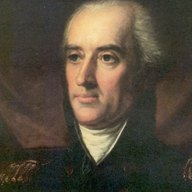
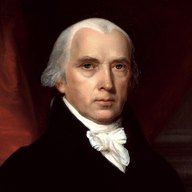
Armstrong’s coded postscript to Madison, 1808
A 49-group postscript in the code THE=972. The code was recovered from a State Department clerk’s pencil decodes of Armstrong’s 1806 despatches on NARA microfilm, merged with Tomokiyo’s partial table from a known-plaintext letter, with remaining groups inferred from their alphabetical position. All 49 groups are decoded, the last with one digit emended: Armstrong wants Russel as consul at Paris, not the Irish-born Warden. With about 160 more values the same table then decoded twelve further despatches of 1807–1810, among them the warning of February 1808 that France offers alliance with one hand and menaces war with the other.
“Russel ought to be the consul: he is an American by birth … Next to him in fitness is O’Mealy, but he is, like Warden, an Irishman.”
 read →
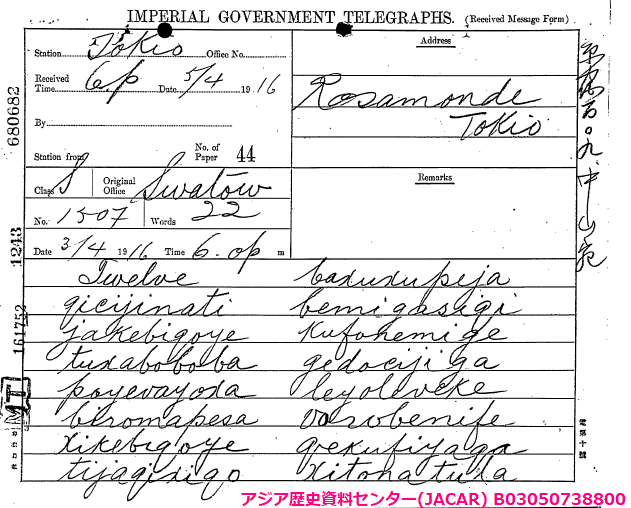
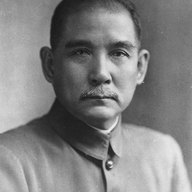
The Swatow telegram to Sun Yat-sen, 1916
A telegram intercepted by the Japanese Foreign Ministry, in the Chinese telegraph code through a letter condenser. The condenser table was recovered from the ciphertext alone by testing every table of the systematic family known from Yamada’s condensers. 41 of about 44 characters are decoded; they report Mo Qingyu’s rising at Chaozhou.
潮城由莫擎宇獨立。我軍亦光復汕頭。後莫率大隊來,令我退出鎮守府…
 read →
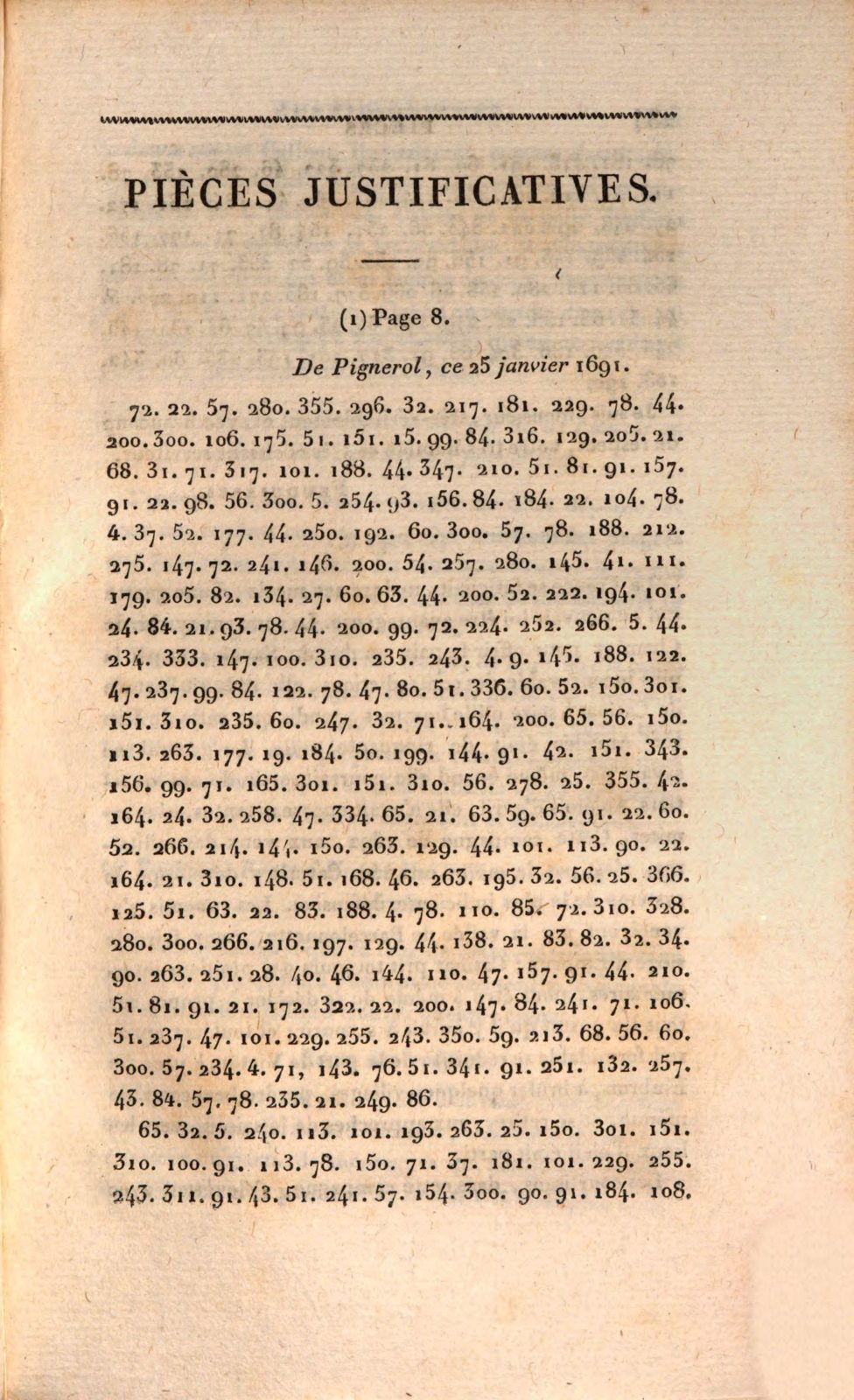
Feuquières to Catinat, Pignerol 1691
A 418-group despatch printed in figures in the 1819 Mémoires de Catinat, in the petit chiffre of the Pignerol governors. The code was recovered by aligning another letter in it, printed in the same edition with its contemporary translation, and carrying the values between the two letters; 586 of 601 groups have a value. The plan for the surprise of Veillane. Bazeries deciphered it in 1893 but did not publish the text.
“j’attaqueray [par] deux endrois, et surtout … prendray garde que les dragons ne puissent m’eschaper”
 read →
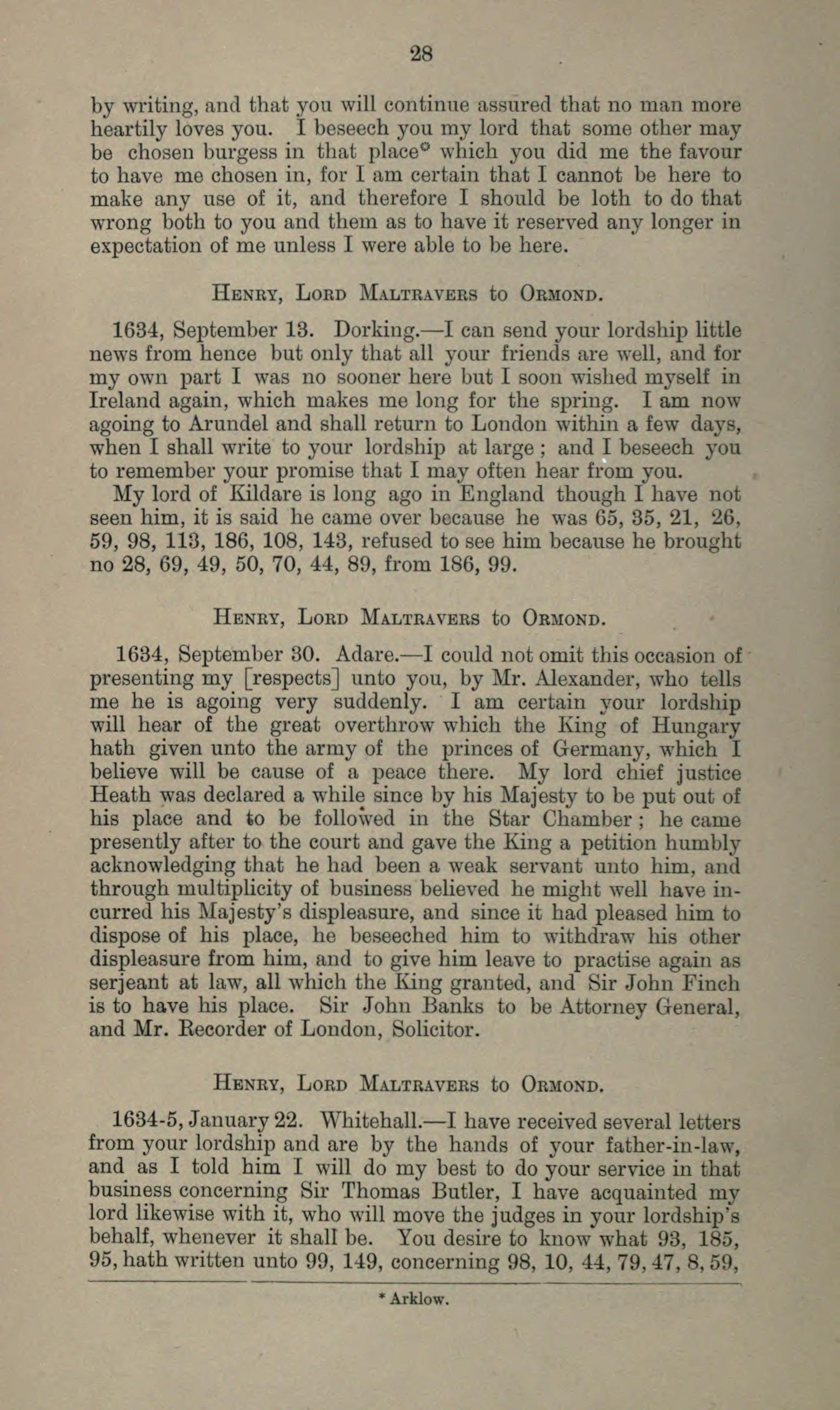
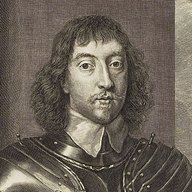
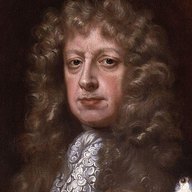
Lord Maltravers to the Earl of Ormonde, 1634–35
Two letters printed by the HMC in 1895 with 59 figures of a numerical cipher and no decipherment. The key was recovered from the adjacent cleartext: a regular alphabet in blocks of three consecutive figures (consonants from 7, vowels from 64), nulls 91–111 and a small nomenclator. Seven of the nine code numbers were identified from Wentworth’s dispatches in Knowler’s Strafforde’s Letters (1739).
“he was angry [with the Lord Deputy] … upon his motion [Ormonde] is to be a councellor”
 read →
Thirty favourites: the funny, the historic, the ingenious →
Latest findings
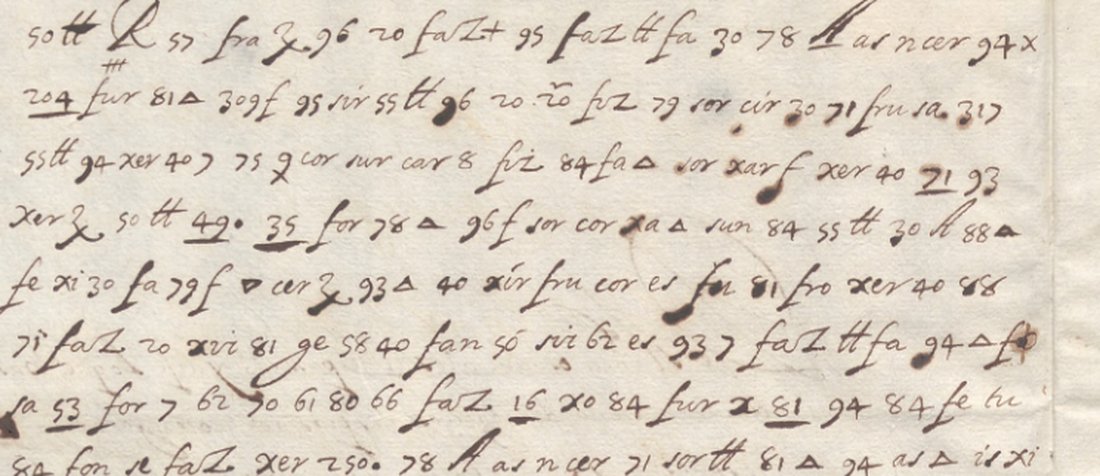
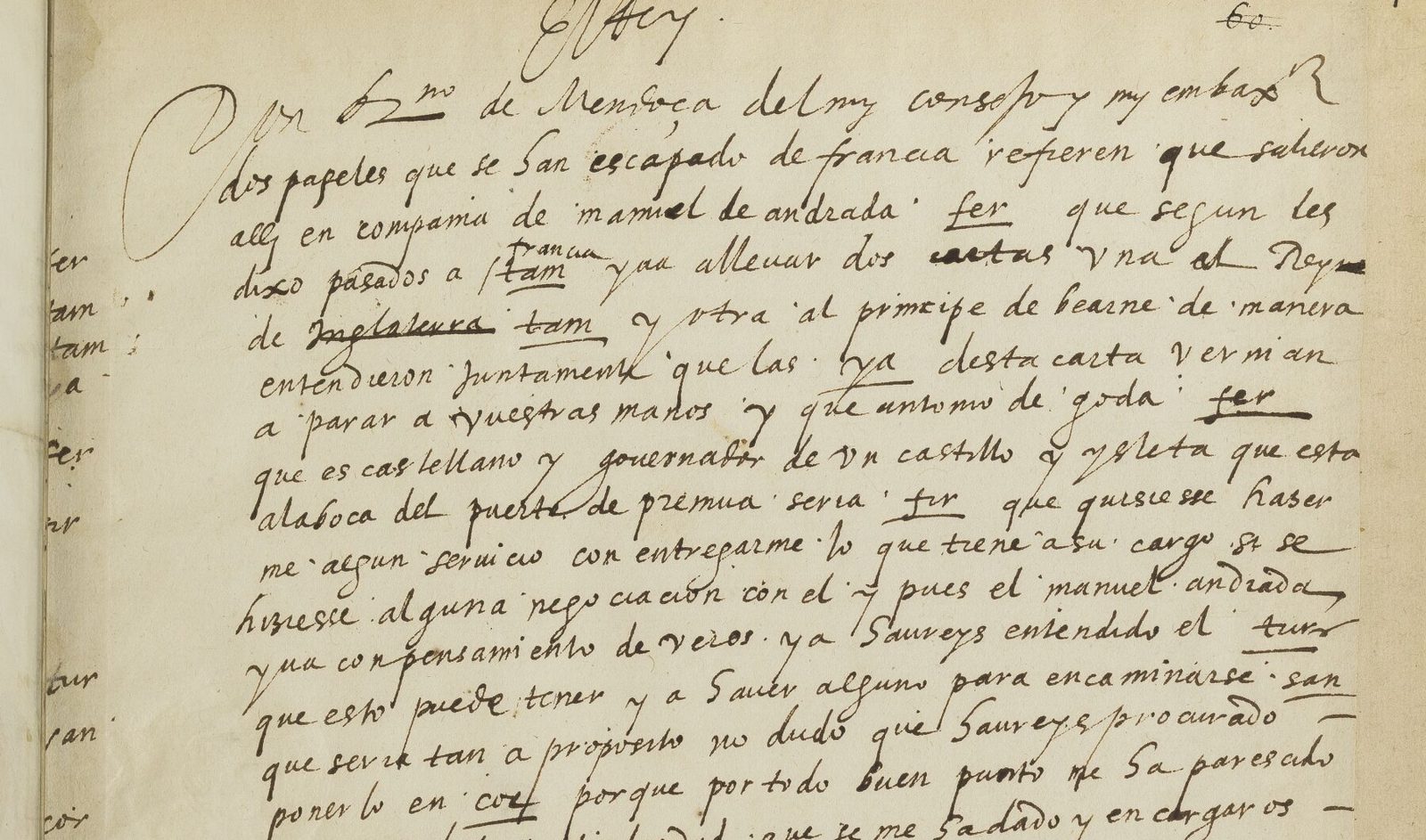
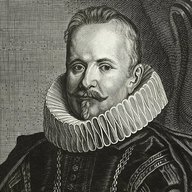 The Marquis of Mirabel to the Count of Gondomar, Paris, early 1622 — the one cipher letter of BNE MSS/18428 with no decipherment of the time, in the Lyon letter’s syllabary: Brice Dudout extended the key from the volume’s clears (one test failed, one partial) and read the letter in part, 182 of 250 cipher words sure write-up
- Japanese Army Ministry cipher drafts on the Ryūkyū deployment, Feb–Mar 1879 — three drafts in the Army’s 1877 kana tables, each with the clerk’s plaintext beside the cipher: Brice Dudout transcribed them and identified tables 4, 1 and 6, and the Ministry’s kanji drafts of two of the messages settled the last open words (98 of 99) write-up
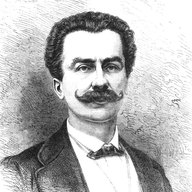 Steenackers to his Paris colleagues, pigeon telegram of 2 November 1870 — about two thirds of the inspectors’ code deciphered: it behaves as a paged alphabetical book, 238 values rebuilt from the clear words, 62% of groups valued as written The director of telegraphs at Tours sets out the line to take towards the post office, reports Prussians leaving Saint-Germain with pickaxes and gives a recipe for coating cotton balloons; names, about 30 words and seventeen digit slips stay open. write-up
 Ormond to his son Arran, Dublin, 24 January 1677/8 — the twenty figures Ormond set as a trial of his son’s skill are S. Tomokiyo’s 1680 Ormond–Longford table with every number raised by 7 (found by Malcolm McBratney); read in part, 10 of 20 figures attested: “but it seems to Ormond not credible” write-up
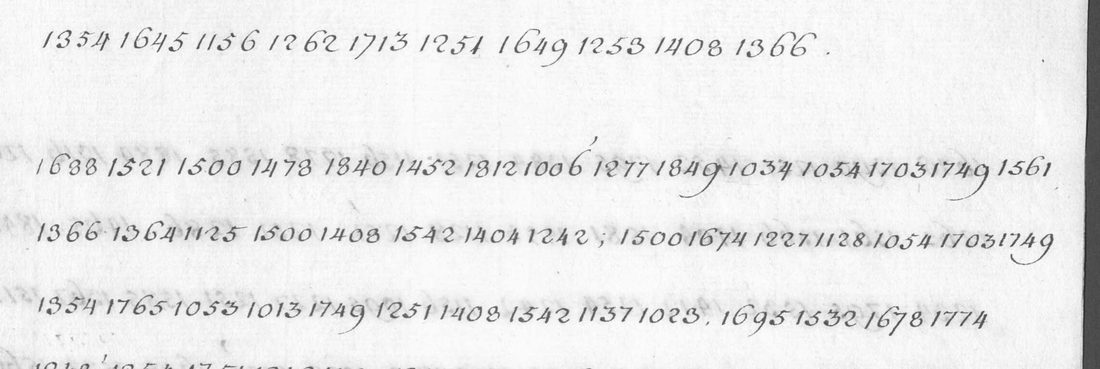 Höpken and Carlson, Constantinople, 1741–1742: a Latin letter signed Ibrahim Effendi and the Khan of Crimea’s letter, added to the second code — the same four-digit key reads a bare Latin letter about the frontier islands in part (113 of 169 words, 40 on guesses) and agrees with the gloss of the Khan’s letter to the King of Sweden at 487 of 602 groups write-up
Browse the write-ups
By how the text was obtained
All 652 write-ups, with filters and search → · the atlas · the key web · what the methods mean
The Unsolved Catalogue
1,229 undeciphered letters and series from 1414 to 1953. Each carries its shelfmark, the prior art checked, a difficulty class and the check that would confirm it is genuinely open; 260 have been looked at on the image.
Top of the queue
- Maderista junta at El Paso: telegrams "texto en clave" that the catalogue leaves undeciphered, among hundreds deciphered at the timepriority 9.0Mar - May 1911 (and 1914)
- Düben to Queen Lovisa Ulrika, system B ('Chiffer n:o 2'), 1764priority 8.45 Oct - 31 Dec 1764
- Conrad Biermann's copybook, 1675: letters outside key K55priority 8.41675-1676
- Cardinal Ercole Gonzaga → Ferrante Gonzaga, two letters with cipher (one sheet entirely in cipher)priority 8.4undated (1539-1557)
- Prince/King Philip (II) → Ferrante Gonzaga, Spanish letters partly in cipher; six without decipherment, two decipheredpriority 8.425 Jun 1546 - 16 Jun 1563
- Lovisa Ulrika correspondence, system A: 6 Mar 1764 and the glossed letter of 15 Nov 1765priority 8.46 Mar 1764; 15 Nov 1765
Corrections and pointers to existing decipherments are welcome: a catalogue entry marked “unsolved” is often a literature search away from “solved in 1858”.
Contributors and sources
Top contributors
- Daniel Bourdeauproject lead · 485 targets
- Brice Dudout206 targets · 239 direct
- George Lasry139 targets · 93 direct
- Satoshi Tomokiyo118 targets · 62 direct
- WAINUT100 targets · 246 direct
- Michael Brackx21 targets · 30 direct
- Andrew Beling20 targets · 34 direct
- Malcolm McBratney17 targets · 32 direct
- Harumi-Matsuba14 targets · 21 direct
Where the targets come from
Tomokiyo’s catalogue, the DECODE database, Cryptoole, HCPortal, sweeps of Gallica, the Nationaal Archief, the Archives nationales and FranceArchives, and Riksarkivet, calendars and printed editions, MysteryTwister, Elonka Dunin’s famous-codes list, Schmeh’s Top 50 and the contributors.